




By Lebone Rodah Mosima
The Department of Small Business Development has allocated R710 million for the 2026/27 financial year to the Township and Rural Entrepreneurship Programme to strengthen enterprises operating in these communities and address challenges facing township and rural businesses.
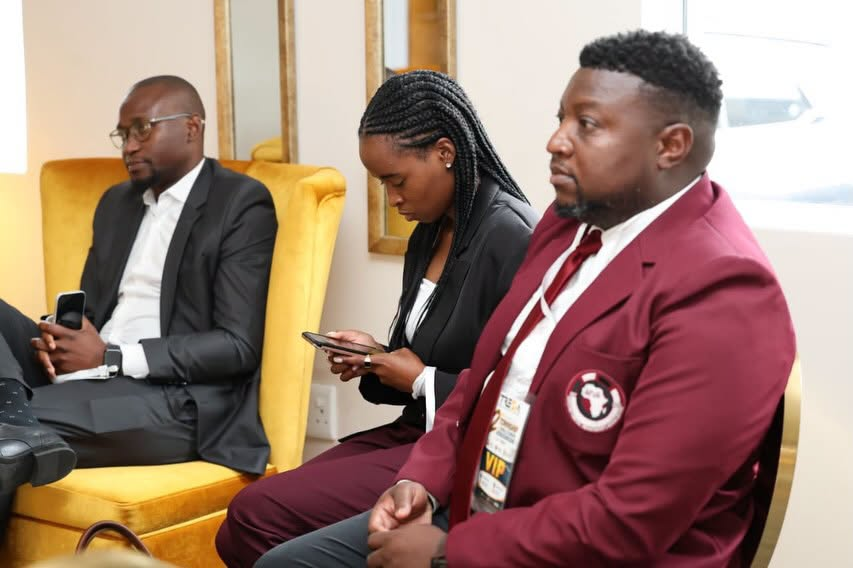
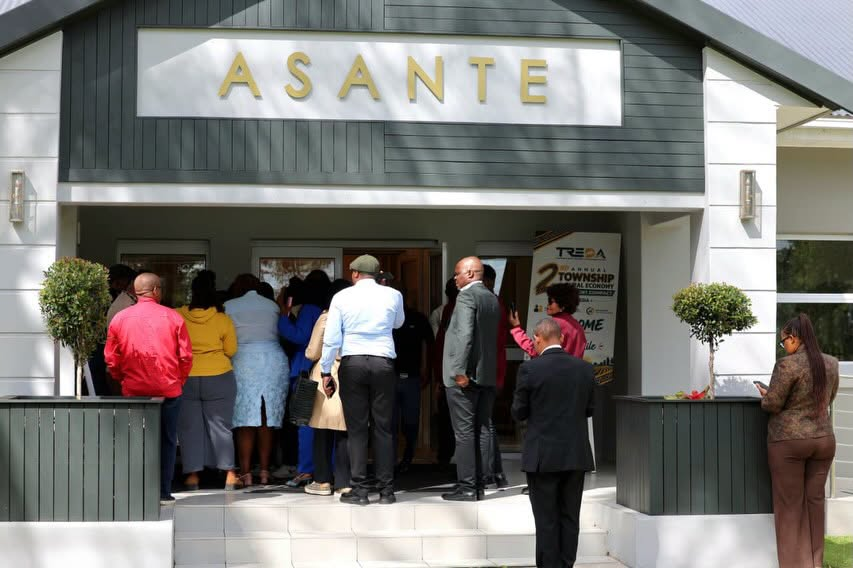
Speaking at the 2nd Annual Township & Rural Economy Development Agency (TREDA) Investment Compact in East London on Monday, Minister Stella Ndabeni said government needed to unlock the economic potential in townships and rural communities and translate it into sustainable businesses, investment, employment and inclusive economic growth.
“Township and rural economies must no longer be treated as peripheral to South Africa’s economic development. These communities are markets, centres of production, trade, agriculture, manufacturing, tourism and services,” Ndabeni said.
“They are home to entrepreneurs who understand their communities, identify opportunities and provide goods and services every day.”
Ndabeni said government and its partners needed to create conditions that would allow businesses to move beyond survival and become sustainable, competitive enterprises that create jobs and participate in wider value chains.
She said the department’s mandate was to create an enabling environment for micro, small and medium enterprises (MSMEs), cooperatives and township and rural businesses to start, grow and create jobs.
“Small businesses are not small contributors to our economy. They create livelihoods, support households, stimulate local production and keep economic activity circulating within communities,” she said.
“Our target is to support 1 million MSMEs and co-operatives over this term of government.”
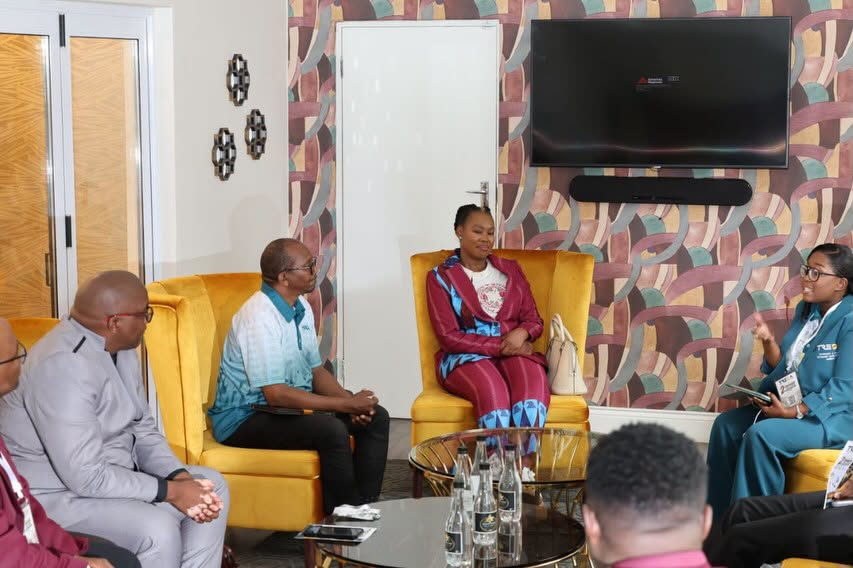
Ndabeni said many entrepreneurs faced challenges not because of a lack of ambition or ideas, but because of limited access to finance, markets, productive infrastructure, technology, skills, information and networks.
She said the department was working through the Small Enterprise Development Finance Agency (SEDFA) to provide more integrated financial and business development support, including credit-light lending that is less dependent on traditional collateral and credit histories.
The department was also working to digitise application processes and workflows to reduce turnaround times and make it easier for entrepreneurs to access support, she said.
“But finance on its own is not enough. A business can receive funding and still fail if it does not have customers,” Ndabeni said.
“This is why market access must be at the centre of township and rural enterprise development.”
She said stronger links were needed between small businesses and government procurement, corporate procurement, supplier-development programmes and larger supply chains.
Investment in township and rural economies should also go beyond making funding available and focus on strengthening productive capacity, she said.
“It must enable businesses to acquire equipment, improve infrastructure, increase production, employ more people and reach new markets,” she said.
“It must support local manufacturing, agriculture, agro-processing, tourism, retail, construction, services and emerging digital enterprises.”
Ndabeni said a farmer in a rural community should not only produce raw materials, but should be supported to participate in processing, packaging, distribution and market access.
She said township manufacturers should also be supported to increase capacity, improve quality and enter larger supply chains rather than remain small subcontractors.
Informal traders should not only be viewed through the lens of formalisation, but should be supported to improve productivity and sustainability, she said.
Ndabeni said the department had developed the Township and Rural Economic Development and Revitalization Policy, which had recently been gazetted for public consultation and was on its way back to Cabinet for final approval.
The policy would provide a whole-of-government approach to township and rural economic development, aimed at transforming township and rural economic spaces into high-growth economies, she said.
She said all spheres of government, together with the private sector and other stakeholders, needed to plan for economic revitalisation, including the development of new high streets, economic precincts and production hubs.
“As the DSBD, we have our flagship Township and Rural Entrepreneurship Programme, for which we allocated R710 million for the 2026/27 financial year to strengthen enterprises operating in these communities,” she said.
The department had also allocated R53.5 million through the Informal and Micro Enterprise Development Programme and R314.3 million to the Business Infrastructure Support Programme, she said.
Ndabeni said women and young people must be central to the economic transformation, with targeted funding including R300 million for the Youth Entrepreneurship Fund and R300 million for Imbali for Her.
The department had also allocated R300 million to the Construction Fund and R150 million to the Creative Sector Fund, alongside plans to raise R1 billion through credit guarantees.
Ndabeni said township and rural enterprises also needed to participate meaningfully in the digital economy, with digital payments, e-commerce, online marketing and digital bookkeeping helping businesses reach new customers and markets.
“However, digital transformation requires access to connectivity, technology and skills. This is another area where partnerships with the private sector are essential,” she said.
“Government cannot build the township and rural economy alone. We need financial institutions, technology companies, investors, universities, SETAs, business chambers, large corporations, development finance institutions and communities to work together.”
She said the Investment Compact should build practical partnerships around finance, infrastructure, skills, markets, technology and investment.
“All government officials must make red tape reduction and improving the ease of doing business their core priority,” Ndabeni said.
“Entrepreneurs should spend their time building their businesses, serving customers and creating jobs rather than navigating unnecessary bureaucracy.”
Ndabeni said the Eastern Cape had significant economic potential in agriculture, agro-processing, tourism, manufacturing, automotive supply chains, the ocean economy and creative industries.
The challenge was to ensure township and rural enterprises became active participants in these sectors rather than remaining on the margins of economic opportunity, she said.
“I urge this compact to be outcomes-driven, and success measured by impact,” Ndabeni said.
“We must ask whether businesses are growing, whether jobs are being created, whether enterprises are entering supply chains, whether entrepreneurs are accessing finance and markets, whether productivity is improving and whether businesses are becoming more sustainable.”
She said the responsibility now was to turn dialogue into investment and commitments into implementation.
South Africa could not achieve inclusive economic growth while large sections of the population remained excluded from productive economic activity, Ndabeni said.
“The future of township and rural economies will not be determined by the potential we talk about, but by the investment, partnerships and implementation we deliver,” she said.
“Let us use this 2nd Annual Township and Rural Economy Investment Compact to deepen collaboration, unlock investment and build practical pathways for enterprises to grow.”
She called for township and rural businesses to move from survival to sustainability, from sustainability to scale and from the margins into the mainstream economy.
“If we succeed, we will not only build stronger businesses. We will build stronger communities, stronger local economies and a faster-growing and more inclusive South Africa,” she said.
INSIDE POLITICS






