

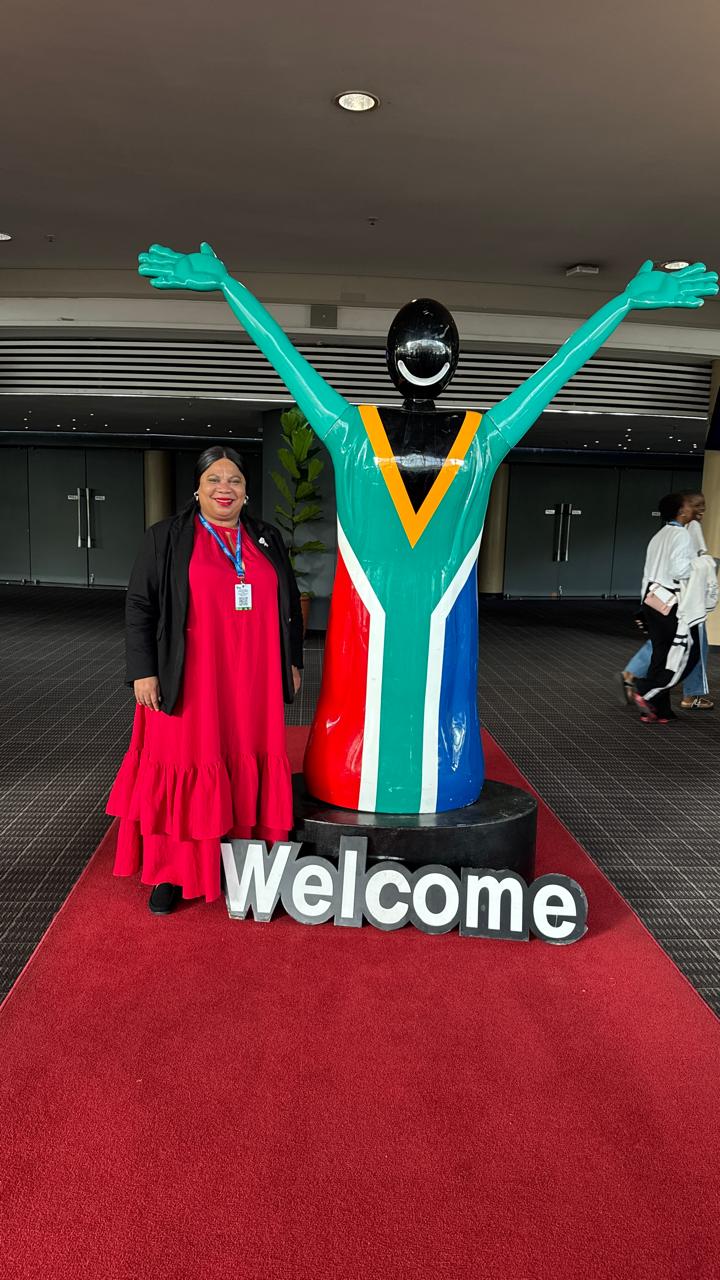


By Ronalda Nalumango
A family planning a short break needs more than an inspiring photograph of a destination. They need to know what the journey will cost, whether the route is accessible, what activities are available and whether the experience will offer value for money.
Making domestic tourism more attractive begins with answering these practical questions, always bearing in mind the important question: how much will all this cost?
The Portfolio Committee on Tourism’s Budget Review and Recommendation Report (BRRR), identifies affordability pressures, infrastructure limitations, safety concerns and the uneven distribution of tourism benefits as hurdles for the domestic tourism sector. The report highlights an important point of connection: promoting travel and improving the conditions that make travel possible cannot be treated as separate tasks.
An appealing domestic tourism offering therefore requires more than a marketing campaign. It requires affordable products, dependable services, accessible information and destinations that deliver on their promises. South Africans expect more for their rand, now more than ever.
Affordability must mean the cost of the whole trip
The BRRR records plans to promote domestic travel through the Tourism Growth Partnership Plan, Sho’t Left and seasonal campaigns offering affordable local travel. These initiatives provide a basis for connecting travellers with experiences suited to their budgets.
However, their practical value depends on how travel offers are designed. A discounted room may still be beyond a household’s reach once transport, meals, entrance fees and activities are added. Packages that clearly display the total cost would help travellers compare options and plan with greater confidence.
Partnerships between accommodation providers, transport operators, attractions and local guides could produce more convenient short-break packages. Options could include day trips, nearby weekend stays, self-catering accommodation and off-peak experiences. Transparent booking conditions and clearly stated exclusions are as important to include in the marketing as the advertised discount.
Domestic tourism should also be presented as more than just long-distance travel. A worthwhile experience could be a guided heritage walk in one’s home town, a visit to a neighbouring area, a local food route or an afternoon at a cultural attraction. Giving these experiences greater visibility would broaden the choices available to people with limited time or spending capacity.
The experience must match the advertising
The committee’s oversight findings emphasised the importance of maintaining tourism infrastructure and ensuring that completed projects have credible operational and maintenance plans.
For a traveller, these are not abstract administrative concerns. They determine whether an attraction is open, whether facilities work and whether the visit is worth repeating. A repeat visit means that the tourist enjoyed their stay and is willing to spend more of their hard-earned income at the same establishment.
Well-maintained roads, clear signage, clean public spaces, functioning ablution facilities and reliable information form part of the tourism experience. A destination’s appeal can be weakened when any of these basics is neglected.
The committee’s emphasis on completing existing projects, strengthening implementation oversight and planning for long-term operations is therefore directly relevant to domestic demand. Investment should be assessed not only by whether construction is completed, but also by whether the facility is operating, attracting visitors and supporting surrounding businesses.
This requires coordination across tourism authorities, municipalities, transport agencies and other responsible institutions. Travellers encounter a single destination; the quality of their experience depends on several institutions working together.
Safety is part of value for money
The committee identified visitor confidence and safety as important determinants of tourism growth. The committee’s report also highlights inconsistent coverage of tourism monitoring and the need for stronger cooperation between tourism authorities, municipalities and law-enforcement agencies.
A more attractive domestic offering would pair promotion with practical visitor support. Clear directions, dependable contact information, visible assistance at appropriate locations and coordinated responses to incidents could help travellers make informed decisions and access help when needed.
Tourism monitors contribute to visitor assistance, but their deployment needs to be timely and connected to wider destination-management arrangements. Monitors should also complement, rather than substitute for, policing and other public-safety services.
Safety information should also be accurate and useful. Confidence is better supported by reliable assistance and effective coordination than by promotional assurances alone.
Make local businesses easier to discover and book
The committee’s visits to Gauteng and the Western Cape highlight opportunities in township, heritage, cultural and community-based tourism. They also identify obstacles facing emerging enterprises, including limited marketing visibility, access to finance, product packaging and participation in established tourism value chains. Addressing these obstacles would expand the range of experiences available to domestic travellers.
A small accommodation establishment, local restaurant, craft business or guiding service needs more than occasional exposure. It needs accurate listings, clear prices, responsive booking arrangements and links to other businesses that can help form a complete visitor experience.
Support in digital marketing, customer service, financial management and product development could help enterprises turn interest into bookings. Route-based partnerships could connect established attractions with nearby businesses, giving visitors more reasons to explore and spend locally.
Community participation is essential to this approach. Local businesses and organisations should help shape the experiences being promoted, with clear opportunities to earn income and influence how tourism develops in their areas.
Take the uncertainty out of planning
An attractive destination is also one that is easy to understand. Potential travellers need current opening hours, entrance prices, transport information, booking contacts and realistic itineraries. Information should be accessible on mobile devices, while local visitor centres and tourism associations can provide additional support.
Marketing would be more useful if it showed what is possible within different budgets and timeframes: a day nearby, a weekend away or a longer journey linking several destinations. Such an approach would connect inspiration with practical planning.
The emphasis on digital visibility and stronger tourism packaging offers a useful foundation. The objective should be to make lesser-known experiences easier to find without requiring travellers to navigate fragmented or outdated information.
Measure participation, not only promotion
The committee has also called for a clearer relationship between public expenditure and measurable tourism outcomes. For domestic tourism, this means looking beyond the number of campaigns, engagements or promotional activities delivered.
Useful measures would include bookings generated, visitor satisfaction, repeat visits, participation by smaller enterprises and the spread of activity beyond established tourism centres. Assessing these outcomes could help distinguish offers that attract attention from those that make travel genuinely more accessible.
Domestic and international tourism need not compete for attention. They can be supported through a destination offering that works for both markets. The domestic market, however, requires deliberate attention to local budgets, travel patterns and expectations.
South Africa’s landscapes, heritage and cultural experiences provide the starting point. Making them more attractive to local residents depends on the practical details: a trip that is affordable, information that can be trusted, facilities that work and a welcome that encourages a return visit.
The central question is not simply how to persuade more people to travel. It is how to make choosing a local experience easier, more worthwhile and more accessible, not just for the elite but for all South Africans.
Ronalda Nalumango is the Chairperson of the Portfolio Committee on Tourism.
INSIDE POLITICS






