



By Simon Nare
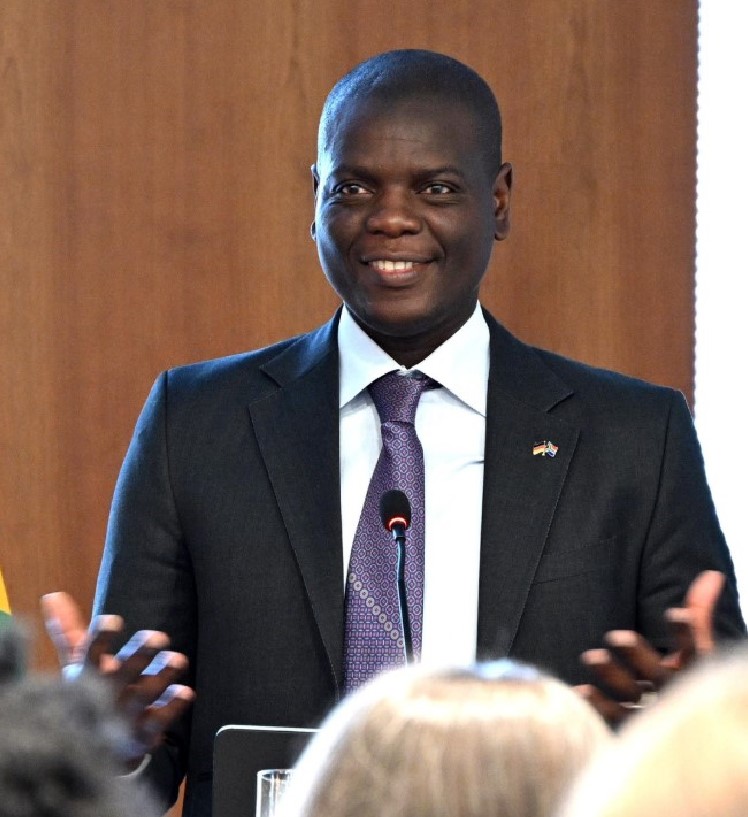
International Relations Minister Ronald Lamola has defended South African laws aimed at addressing injustices from the apartheid era and called on the United States to consider the country’s unique circumstances.
This followed the US announcement of further visa restrictions, which Lamola said were influenced by the mischaracterisation of South Africa by “fringe groups” that wrongly portray themselves as representatives of minorities and Afrikaners in general.
ALSO READ: New AfriForum report details brutality of farm attacks
US Secretary of State Marco Rubio announced on Tuesday night that Washington was introducing new visa restrictions targeting foreign nationals it says are responsible for race-based discrimination, incitement to violence or policies enabling land seizures without compensation in South Africa.
Pretoria has repeatedly disputed claims that South Africa is pursuing land seizures without compensation amid a diplomatic fallout with Washington.
Rubio accused the South African government of failing its people and destroying its economy through “an obsessive pursuit of racial grievance against the Afrikaner minority” in a post on social media.
Lamola, who is leading the South African delegation to the United Nations General Assembly and is expected to arrive in New York on Wednesday, said this was a mischaracterisation of what was happening in South Africa.
He said the country respected that its two trading partners held different views on particular measures and their implementation.
ALSO READ: ANC loses Electoral Court bid over candidate nomination blunder
“However, we remain committed to addressing these challenges through our constitutional institutions, democratic processes and the rule of law, with the objective of building a more equal and inclusive society for all South Africans. The people of South Africa respect the right of the American people to develop laws to address their conditions,” he said.
Lamola reiterated that healing the divisions of the past and establishing a society based on democratic values, social justice and fundamental human rights was a constitutional imperative.
He said South Africa remained committed to addressing the injustices of the past and contemporary challenges as a sovereign nation.
“It is our sovereign right to put in place laws that address the nation’s concern over centuries of racial injustice. Legislation in the democratic era is intended to improve the plight of the people who had been excluded for centuries. This is consistent with other countries who have a similar experience to South Africa,” he said.
Lamola said South Africa had also enacted the Prevention and Combating of Hate Crimes and Hate Speech Act 16 of 2023 as part of its commitments under the International Convention on the Elimination of All Forms of Racial Discrimination and to protecting the dignity of all people.
The legislation provides a legal framework for addressing hate speech and prosecuting hate crimes and is binding on state and non-state actors, he said.
“The South African government remains seized with the challenges of crime in South Africa which affects everyone and not targeting anyone based on their race, colour, or social origin.
ALSO READ: VIDEOS: Mzansi appeals for employer flexibility to protect women amid Ekurhuleni murders
“Therefore, the ongoing South Africa-US bilateral discussions on these matters demonstrate the importance that both countries attach to finding a lasting solution,” said Lamola.
He said discussions between the two countries had highlighted the need for any resolution to take into account South Africa’s unique circumstances and respect its democracy, constitution, sovereignty and the will of its people.
Lamola recommitted South Africa to maintaining relations with the US, saying the challenges in the two countries’ bilateral relations could only be resolved through constructive engagement between state actors on both sides of the diplomatic channel, rather than unilateral acts.






