

By Charmaine Ndlela
South Africa has raised concerns with Nigeria over organised crime, migration and the installation of an “Igbo King” in the Eastern Cape as the two governments seek to contain mounting diplomatic tensions and prevent xenophobic violence.
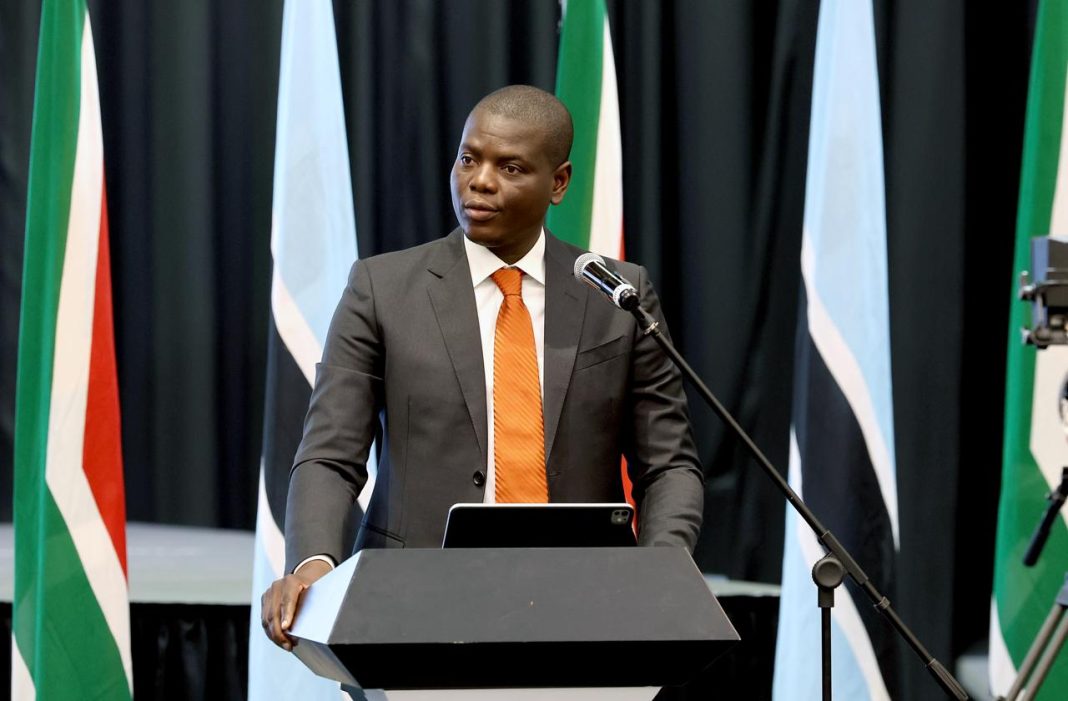
International Relations and Cooperation Minister (DIRCO) Ronald Lamola concluded a diplomatic mission to Abuja as President Cyril Ramaphosa’s special envoy, delivering an official message to Nigerian President Bola Ahmed Tinubu.
ALSO READ: Johnson’s denial of PKTT knowledge challenged by IDAC summons
According to DIRCO Tinubu appointed a high-level Nigerian government delegation to hold structured talks with the South African team led by Lamola.
In a statement released late on Monday, DIRCO said the discussions were candid, constructive and forward-looking, with a focus on restoring goodwill and strengthening bilateral relations.
Lamola raised three concerns that South Africa said had contributed to heightened tensions between the two countries.
The first related to the purported installation of an unrecognised Nigerian traditional ruler, or “Igbo King”, in the Eastern Cape in March 2026.
Lamola said the incident caused widespread public concern while South Africa was working to consolidate the constitutional role of traditional leadership in the democratic era.
The second concern involved the alleged participation of some foreign nationals, including Nigerian citizens, in organised crime, illicit drug trafficking and financial fraud.
According to DIRCO, more than 500 Nigerian nationals had been processed through South Africa’s criminal justice system for various offences as of 7 July 2026.
Lamola also raised instances in which law-enforcement officers allegedly encountered violent resistance or obstruction during criminal investigations.
Particular concern was expressed about hijacked residential and commercial properties in areas such as Hillbrow in Johannesburg and Sunnyside in Pretoria, where DIRCO said unlawful enclaves had placed local residents and foreign nationals at risk.
“Regrettably, these incidents have fuelled negative perceptions surrounding Nigerian nationals living in South Africa over the years. Addressing these challenges firmly, fairly, and within the bounds of the law is vital for the well-being of both our nations.”
During the talks, the delegations reviewed information concerning the processing and arrest of the more than 500 Nigerian nationals.
Lamola said the law-enforcement measures were evidence-based and targeted alleged criminal conduct by individuals rather than the entire Nigerian community.
According to DIRCO, the Nigerian delegation acknowledged the need to hold lawbreakers accountable, while stressing that detainees must be afforded constitutional due process, fair-trial standards and humane treatment.
Both delegations also agreed on the need to de-escalate inflammatory public rhetoric and prevent hostile actions.
Lamola reiterated that the South African government condemned xenophobia, racism, discrimination and related intolerance, warning that concerns about crime and migration could not justify intimidation, vigilantism or attacks on foreign nationals.
“Law enforcement remains the exclusive prerogative of the state,” Lamola said in the statement.
“While South Africa will not tolerate criminal activity by any individual regardless of nationality, we equally will not permit vigilante action or xenophobic violence against foreign nationals residing in our country. To this end arrests have taken place, and relevant investigations are still underway.”
The diplomatic engagement followed nationwide anti-immigration protests organised by the March and March movement and allied groups around a 30 June deadline they had set for undocumented migrants to leave South Africa.
South Africa has facilitated large-scale repatriation programmes involving several nationalities.
ALSO READ: AU urges SADC to end raw material exports as Industrialisation Week opens in Durban
Between 12 and 24 June, the Border Management Authority processed 8,230 foreign nationals for lawful and orderly repatriation through the Beitbridge Port of Entry.
They included 6,709 Malawian nationals transported in 112 buses and 1,521 Zimbabwean nationals transported in 26 buses.
The government subsequently reported that the BMA had processed 72,906 repatriations involving various nationalities at South Africa’s ports of entry between 7 June and 14 July, including those handled at the Musina Temporary Repatriation Processing Centre.
Separately, the Nigerian government said it had evacuated more than 1,490 of its citizens from South Africa in seven batches amid concerns over anti-foreigner violence.
DIRCO said Lamola told the Nigerian delegation that migration and public-safety challenges should be addressed through formal diplomatic channels, strengthened security partnerships and respect for constitutional rights.
According to the department, the two governments reaffirmed their commitment to bilateral diplomacy and Pan-African solidarity as the basis for peaceful coexistence, human rights protection and stronger historical ties between South Africa and Nigeria.