

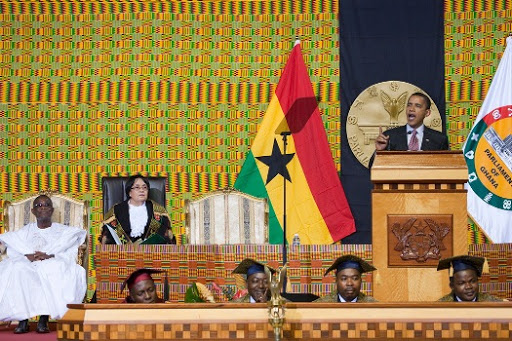


WHEN Ghana turned to democracy in 1992 after many years of military rule, there were expectations that the people would choose their leaders. Ghanaians also expected to see a closer relationship between citizens and the state, making members of the legislature more sensitive to their needs.
Democracy has generally flourished in Ghana. Freedom House’s rankings have consistently marked Ghana as “free” since 2000.
But the country has yet to entrench some key aspects of democratic governance. One example is the disconnect between the people and their representatives in parliament. Public opinion surveys conducted by Afrobarometer show a wide gap between the two. For instance, between 2002 and 2013, an average of 85.8% of Ghanaians had no contact with their representatives in parliament.
Ghanaian voters indicate that their legislators spend little time in the constituency. Even when they do, they tend not to listen to the concerns of voters. This gap
You’ve reached your free article limit
Subscribe to enjoy unlimited access to trusted journalism. Cancel anytime.
Subscribe nowNeed help? molokom@insidepolitic.co.za






